Coffee
7 Best Reusable Coffee Filters Worth Buying for Better Taste and Less Waste
Author:Mike Fakunle
|
Released:January 28, 2026
Paper filters are convenient, but they create daily waste and mute coffee oils. Reusable options cut long-term costs and noticeably change flavor. If you brew often, switching once can improve every cup.
The best reusable coffee filters today focus on taste clarity, durability, and fit. Some suit pour-over fans, others work better for drip machines or French press users. Below are options worth real money, with practical reasons to choose each.
Why Reusable Filters Are Replacing Paper Filters
In the United States alone, billions of paper coffee filters are discarded yearly, contributing to landfill waste and resource use [1]. Reusable coffee filters reduce this cycle while letting more natural oils pass through. Those oils carry aroma and mouthfeel, which many people notice immediately after switching.
Reusable coffee filters also pay for themselves quickly. A box of paper filters often costs $3-$6 and lasts a month or two. A solid reusable option costs $10-$40 and can last for years with basic cleaning. For daily brewers, the math is simple.
What Actually Changes In Taste And Brewing
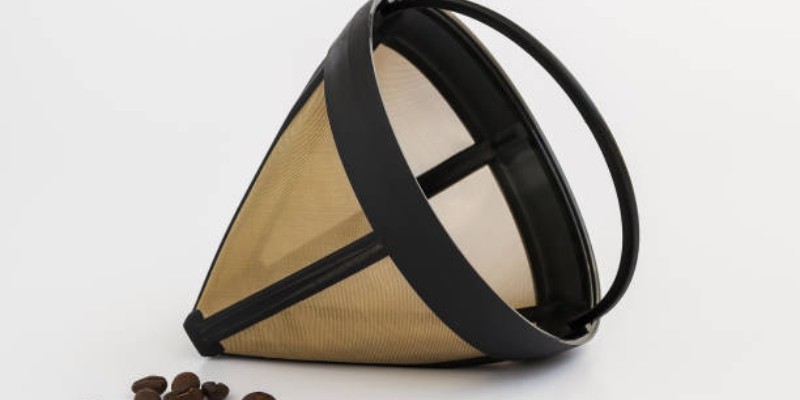
Metal coffee filters allow more oils and micro-fines into the cup. This results in a fuller body and stronger aroma. Cloth coffee filters sit between metal and paper, giving a clean cup with added sweetness.
Brew time also shifts slightly. Metal coffee filters drain faster, while cloth coffee filters slow the extraction. If your coffee tastes weak or bitter, adjusting the grind size usually fixes it. These are small tweaks, not deal breakers.
Best Reusable Coffee Filters Worth Buying
1. Able Kone Stainless Steel Pour-Over Filter
The Able Kone is one of the most popular metal coffee filters on the market [2]. It fits Chemex-style brewers and uses a single-piece stainless steel design with no glued seams.
The flavor profile is bold and aromatic because natural oils are preserved. It works best with medium-coarse grinds. With proper rinsing after use, it can last for years without clogging or rust.
2. CoffeeSock Organic Cotton Filter
CoffeeSock filters are made from certified organic cotton and are well known among cloth coffee filter fans [3]. They fit Chemex, Hario, and drip machines, depending on size.
Taste is smooth, slightly sweet, and low in sediment. Maintenance requires rinsing after each use and boiling occasionally. For drinkers who dislike the heaviness of metal coffee filters, this is a balanced option.
3. GoldTone Reusable Basket Filter
Designed for standard drip machines, GoldTone filters replace disposable basket papers directly. They are made from gold-plated stainless steel mesh, which resists corrosion.
This option suits people who want eco-friendly coffee brewing without changing habits. Flavor is stronger than paper but cleaner than cone-style metal filters. It is dishwasher-safe and widely compatible.
4. Frieling French Press Stainless Steel Filter
French press users often struggle with sludge. Frieling’s fine mesh stainless steel filter improves clarity while keeping the press method intact.
Among reusable coffee filters for immersion brewing, this one stands out for durability. It reduces sediment by up to 80 percent compared to standard press screens, based on user testing and lab mesh comparisons.
5. Hario Woodneck Cloth Filter
The Woodneck is a cult favorite among Japanese brewers. It uses a suspended cloth coffee filter mounted on a wooden ring.
It produces a clean cup with noticeable sweetness and clarity. Brewing is slower, but many enthusiasts prefer the ritual. With proper care, one filter can last six months or more of daily use.
6. Espro Ultrafine French Press Filter
Espro uses a dual micro-filter system to trap grit while preserving flavor oils. While technically part of a brewer, the filter design itself outperforms many standalone options.
For those focused on eco-friendly coffee brewing with minimal mess, this system delivers consistency. Cleanup is faster than traditional French presses, saving time during busy mornings.
7. Cafilas Stainless Steel Pour-Over Filter
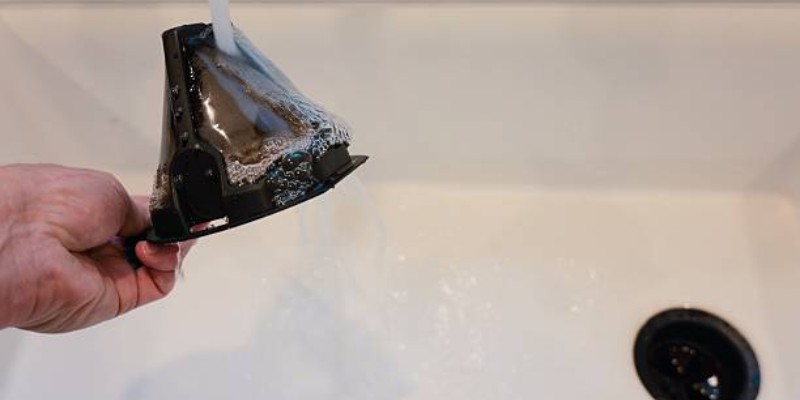
This cone-style metal coffee filter fits most mugs and carafes. It’s affordable, lightweight, and travel-friendly.
It works best for single cups and allows full oil extraction. While it lacks the refinement of premium models, it offers excellent value for beginners testing reusable coffee filters for the first time.
How To Choose The Right Reusable Filter
- Start with your brewer.
Pour-over cones, drip machines, and French presses all need different shapes. For flavor, choose metal coffee filters if you like rich, heavy cups. Choose cloth coffee filters if you want balance and low bitterness.
- Maintenance matters.
Metal filters need quick rinsing. Cloth filters require more care but reward patience. If convenience is your priority, metal is easier. If flavor nuance matters more, cloth is worth the effort.
Cost, Lifespan, And Real-world Value
A stainless steel reusable filter typically lasts 3-5 years or more. Cloth coffee filters usually last 3-6 months with daily use. Over five years, this can replace hundreds of paper packs.
From a cost perspective, eco-friendly coffee brewing is not just ethical, it is practical. Even premium reusable coffee filters often cost less than one year of disposable filters.
Cleaning And Care Tips That Extend Lifespan
Rinse immediately after brewing to prevent oil buildup. For metal filters, soak monthly in hot water with mild baking soda. Avoid soap residue, which affects taste.
For cloth coffee filters, rinse thoroughly, store in water in the fridge, and boil weekly. These steps prevent mold and maintain flavor clarity without chemicals.
Making The Switch Without Ruining Your Routine
Switching to the best reusable coffee filters does not require new equipment or complex changes. Adjust grind size slightly and monitor brew time. Most users adapt within two or three brews.
Once dialed in, many never return to paper. The taste difference, waste reduction, and long-term savings make reusable coffee filters a practical upgrade rather than a lifestyle sacrifice.
Brew Better, Waste Less, Enjoy More
If you brew coffee daily, reusable coffee filters are one of the simplest upgrades available. Choose based on taste, cleanup tolerance, and brewer type. Try one option and give it a week. Better coffee and lower waste tend to follow naturally.
You May Like
-

-
Coffee
Arabica vs Robusta Which Coffee Bean Reigns Supreme for Your Perfect Brew
-
Coffee
Culture Coffee How Coffee Culture Shapes Communities, Traditions, and Modern Lifestyles
-
Guide
2026 Coffee Tech Trends: Smart Machines and Connected Brewing
-
Guide
Why Your Espresso Tastes Sour and The Simple Way To Fix The Flavor
-
Guide
Your Coffee Storage Is Wrong: The 5 Things You Must Avoid Immediately